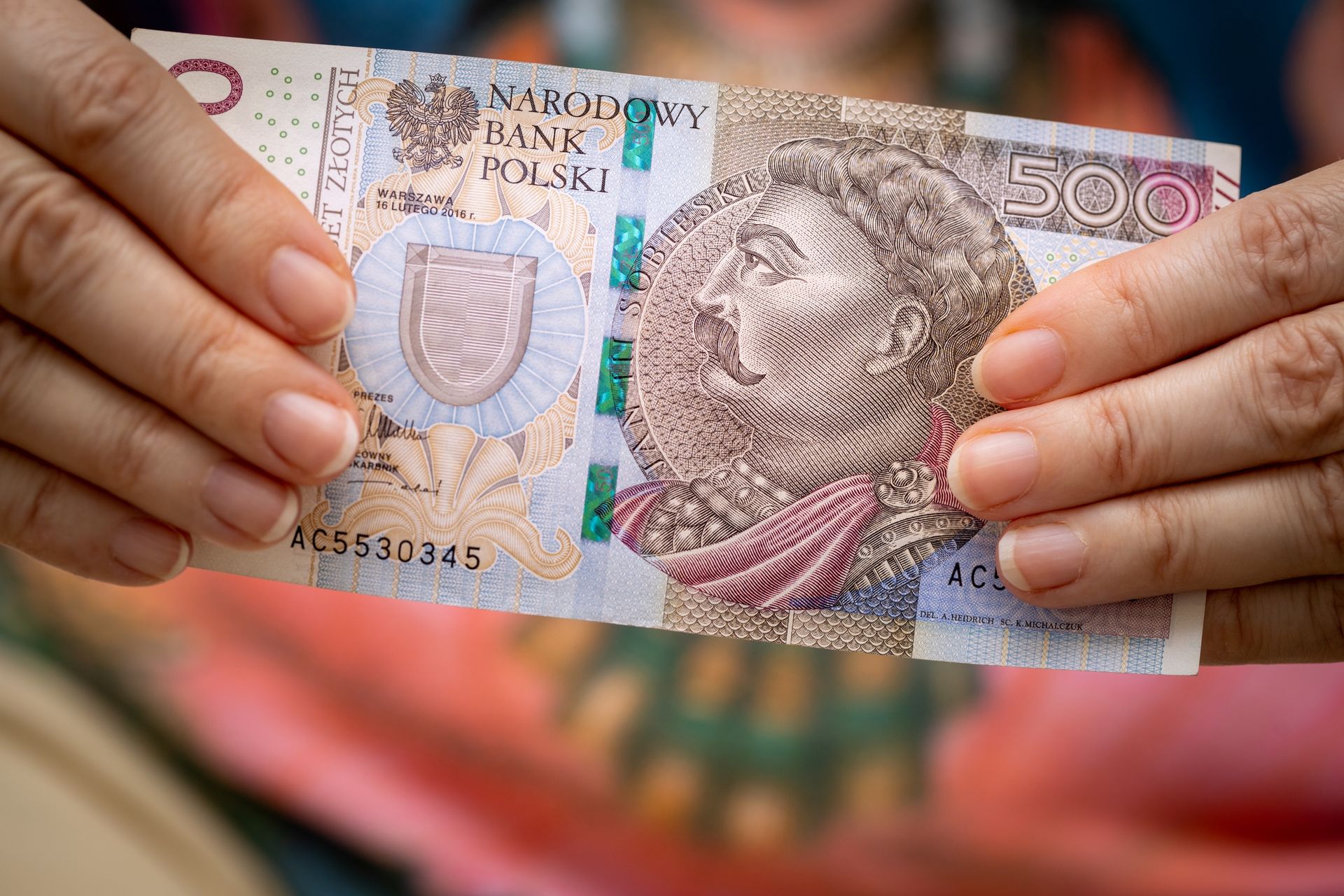
A Polish woman has received half of the retirement savings her former husband built up in the country's employee pension scheme, in a case that highlights a growing trend in Polish divorce settlements, WP Finanse reports.
According to the outlet, which cites a detailed account in "Gazeta Wyborcza," the woman — referred to as Maria — spent years running the household and raising three children and did not work professionally. Her ex-husband built his career during that time and by early 2026 was earning more than 20,000 zł gross per month, WP Finanse reports, a figure above twice the national average wage.
The couple's divorce settlement proved contentious enough that they could not reach an agreement on their own, and the division of their assets went before a court.
Why it matters
The case illustrates a mechanism that few divorcing spouses in Poland are aware of: money set aside in Pracownicze Plany Kapitałowe (PPK), the workplace retirement savings programme, can form part of the jointly held marital estate and be split between partners.
Dr Łukasz Wacławik of the management faculty at AGH University in Kraków told "Gazeta Wyborcza," as reported by WP Finanse, that many people still do not take advantage of this route because they are unfamiliar with the procedure and do not realise such funds may be due to them when a marriage ends.
The sums involved are not trivial. WP Finanse reports that net assets held in PPK funds rose to 55.9 billion zł in July 2026.
How the division worked
When dividing the couple's property, the court applied the principle of equal shares in the joint estate, WP Finanse reports. This rule is set out in Article 43, paragraph 1 of Poland's Family and Guardianship Code, which establishes that spouses hold equal shares in property accumulated during the marriage.
While consulting a lawyer, Maria began looking into whether she could also claim a portion of the money her husband had put aside for his future pension.
It was established that her ex-husband had taken part in PPK and had accumulated roughly 80,000 zł in his account. Maria had no PPK account of her own because she had not been in paid employment. After completing the formalities and submitting an application, she received 40,000 zł — half of the amount her former husband had saved in the scheme.
Only savings from the marriage count
The division covers only those contributions to a PPK account that were accumulated from the date the marriage was entered into — that is, during the period when the couple's property was held jointly, according to WP Finanse.
If both spouses saved in PPK, the amounts covered by the joint estate are added together and then divided equally.
Ryszard Woronowicz of the Polish Development Fund (PFR) explained, per WP Finanse, that a transfer payment to a former spouse's PPK account is carried out by the financial institution within three months of an application being submitted and a document confirming the right to funds from the scheme participant's account being presented.
Rules for withdrawing PPK money
A PPK participant may withdraw their funds at any point, WP Finanse notes. In that case they receive 100 percent of their own contributions and 70 percent of the money paid in by their employer. The remaining 30 percent of the employer's contributions goes to ZUS, the social insurance institution, into the participant's account, adding to their retirement capital.
The amount paid out is reduced by the tax on capital gains and by state subsidies, according to WP Finanse.
What to watch
The case points to a question likely to come up more often in Polish divorce proceedings: whether a spouse who did not work outside the home has a claim on retirement savings held in the other spouse's PPK account. How widely that right is exercised will depend on whether lawyers and courts routinely raise it during property settlements.